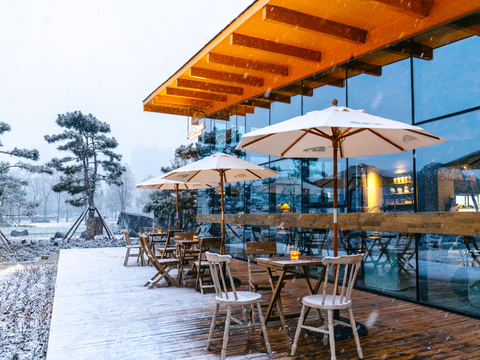
1. What to Expect During Snow, Ice and Storms?
Severe winter weather can affect businesses in different ways, depending on your location and how you operate. Common challenges include:
• Icy roads and pavements, making travel riskier for staff and customers
• Storm-related disruption, such as fallen debris, flooding or damage to buildings
• Power cuts or broadband interruptions, particularly during high winds
• Delayed deliveries and supply issues, affecting stock and services
• Increased heating and utility usage, pushing up costs
• Reduced customer footfall, especially for high-street and hospitality businesses
These conditions don’t always pass quickly. A cold spell or storm system can last several days, so planning can make a real difference.
2. Immediate Steps to Keep Your Business Running
You don’t need a complex contingency plan. A few practical actions can help your business stay resilient.
• Prioritise staff safety
Your team’s safety comes first. Encourage staff to travel only if it’s safe to do so. Flexible hours, remote working or adjusted shifts may be appropriate during severe conditions. Clear communication helps everyone feel supported.
• Secure your premises
Strong winds and freezing temperatures can cause damage. Check roofing, signage, drains and outdoor furniture. Grit walkways where possible and make sure heating systems are working correctly to avoid breakdowns.
• Prepare for possible power and connectivity issues
Storms can lead to temporary power cuts or slower internet speeds. Make sure key contact details are easy to access, and staff know what to do if services are interrupted, especially if your business relies heavily on being online.
• Keep customers informed
If opening hours change or services are affected, let customers know early. Use your website, email, or social media to share updates. Being transparent helps build trust, even when plans change.
• Review deliveries and suppliers
Weather can delay stock and supplies. Build in extra time where possible and check in with suppliers, so you’re not caught off guard.
• Monitor utilities usage
Cold snaps often increase energy and water use. Keeping an eye on usage can help you spot issues early, particularly if heating is working harder, or pipes are at risk of freezing.
3. Winter Building Safety: Quick Checks
Freezing temperatures can cause serious damage if buildings aren’t prepared. One of the most common winter issues for businesses is frozen or burst pipes, which can lead to costly repairs and downtime.
Things that may reduce the risk:
• Keep all areas heated, including storage rooms, basements and spaces with exposed pipes
• Maintain a consistent low temperature, even overnight, at weekends or during closures
• Do not turn heating off completely, minimum heat helps prevent pipes freezing
• Insulate exposed pipes and seal drafts around doors, windows and utility openings
• Shut off and drain outdoor taps, hoses and irrigation systems
• Ask staff to report leaks, heating issues or cold spots immediately
4. Staying Safe in Icy Conditions
Ice creates a serious slip risk for staff and customers. Simple precautions can reduce accidents:
• Grit entrances and walkways regularly, especially early mornings and evenings
• Use clear warning signs to alert people of icy surfaces
• Encourage suitable footwear with good grip
• Adjust opening times if needed when conditions are unsafe
5. Staying Safe in Snow
Snow can disrupt operations quickly, particularly for customer-facing businesses:
• Clear priority areas first, including entrances and fire exits
• Allow extra time for deliveries and communicate delays
• Limit non-essential travel and support remote working where possible
• Secure outdoor items such as bins, signage and furniture
• Review emergency procedures so staff know what to do if conditions worsen
6. Prepare Clear Messages for Customers and Employees
Clear communication reduces confusion and stress during bad weather. Consider preparing:
• A short weather update for your website or social channels
• Confirmed opening hours and service updates
• Reminder of contact details if customers need to rearrange their appointments
• Internal guidance so staff understand expectations
7. Keeping Well in Cold Weather
Cold weather affects health as well as safety, especially during prolonged cold spells. Encourage staff and customers to take a few simple steps to stay well:
• Dress warmly and in layers, particularly if moving between indoor and outdoor areas
• Keep on-site offices and workspaces adequately heated, ensuring temperatures are comfortable throughout the day
• Take regular breaks to warm up, especially for staff working near entrances or outdoors
• Stay hydrated and eat regular meals, which helps maintain energy levels in cold conditions
• Watch for signs of cold-related illness, such as shivering, tiredness or difficulty concentrating
Winter weather can throw up a few challenges, but it doesn’t have to catch your business off guard. A bit of planning now can help you look after your team, protect your premises and keep things ticking over when snow, ice or storms hit. Stay informed, keep communication open, and take things one step at a time. Your business will be better placed to handle whatever the weather brings.